Skip to content

Frequency Foundation

Twice the Energy with Half the Stress

Botulism – Version 1.0

0 Reviews
Read more

Botulism – Version 1.0

×
0 Reviews

There are no reviews yet.

Botulism is a rare but serious illness caused by Clostridium botulinum bacteria. The bacteria may enter the body through wounds, or they may live in improperly canned or preserved food.

Clostridium botulinum is found in soil and untreated water throughout the world. It produces spores that survive in improperly preserved or canned food, where they produce toxin. When eaten, even tiny amounts of this toxin can lead to severe poisoning.
The foods most commonly contaminated are home-canned vegetables, cured pork and ham, smoked or raw fish, and honey or corn syrup. Botulism may also occur if the bacteria enter open wounds and produce toxins there.
Infant botulism occurs when a baby eats spores and the bacteria grow in the baby’s gastrointestinal tract. The most common cause of infant botulism is eating honey or corn syrup.
Clostridium botulinum can be found normally in the stool of some infants.
About 110 cases of botulism occur in the U.S. per year. Most of the cases are in infants.

$25.00
Get this for FREE with an Annual Frequency Subscription, or log in if you are already a subscriber.

Related services

Rosacea Demodex – Version 6.0

Some rosacea is associated with a Demodex infection, a common mite. It affects bodily functions even when there are no observable symptoms.

0 Reviews

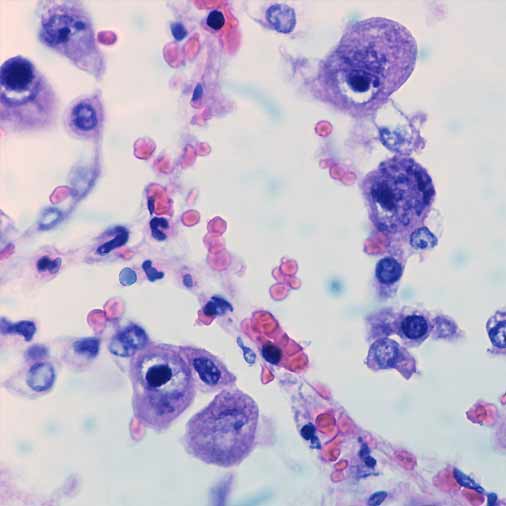
Cytomegalovirus – Version 3.5

Cytomegalovirus is a persistent virus widespread in the population that causes increasing problems with aging through its degradation of the immune system.

0 Reviews

Biofilms – Version 8.0

Biofilms – Version 8.0 is based on decades of research and has over 1200 biofilm frequency sets.

0 Reviews

Canola Oil – Version 1.0

Canola oil may be toxic to your system even if organic and non-GMO.

0 Reviews

Parasites – Version 1.0

Contains the most common parasites passed around by the flu in recent years plus some parasites commonly seen in Lyme disease.

0 Reviews

Ready to take the next step in your health journey?
Contact Frequency Research Foundation today to schedule a consultation and learn more about our services.