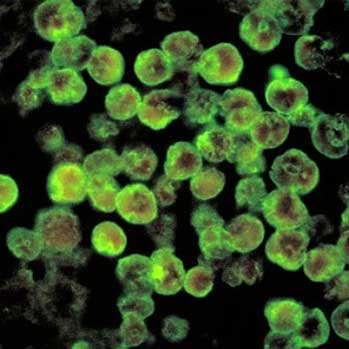
N. fowleri can invade and attack the human nervous system. Although this occurs rarely, such an infection nearly always results in the death of the victim. Naegleria fowleri ( /nəˈɡlɪəriə/; also known as “the brain-eating amoeba”) is a free-living excavate form of protist typically found in warm bodies of fresh water, such as ponds, lakes, rivers, and hot springs. It is also found in soil, near warm water discharges of industrial plants, and minimally chlorinated swimming pools (there is no evidence of this organism living in ocean water) in an amoeboid or temporary flagellate stage. It belongs to a group called the Percolozoa or Heterolobosea. Although not a true amoeba, the organism is often referred to as an amoeba for convenience.
Related services
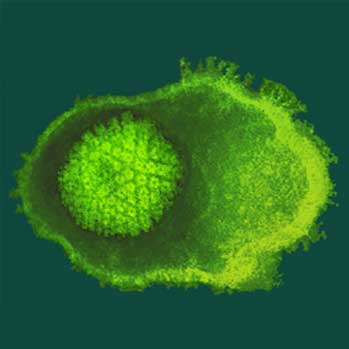
Shingles (Herpes Zoster) – Version 2.1
Version 2.0 of Shingles frequencies contains updates from a recent case of shingles which included a new strain of the herpes zoster virus.
0 Reviews

Canola Oil – Version 1.0
Canola oil may be toxic to your system even if organic and non-GMO.
0 Reviews
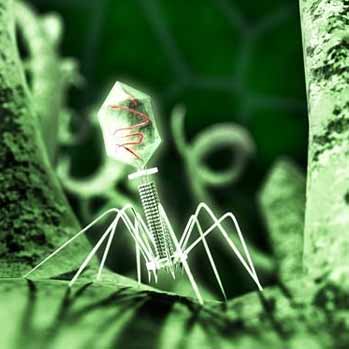
crAssphage (Stealth Fat Virus) – Version 1.1
Researchers at San Diego State University have discovered a gut virus that exists in more than half of the world’s population, and plays a key role in the onset of conditions including obesity and diabetes.
0 Reviews
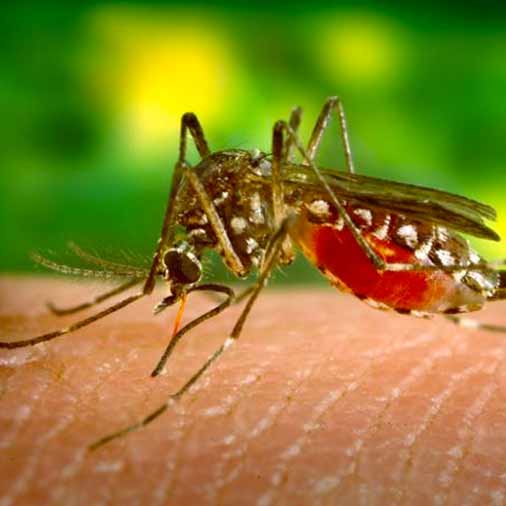
West Nile Virus – Version 3.0
For the past decade fellow researchers have worked with the Frequency Research Foundation to identify frequencies that will make over 150 species of mosquitos go away, including those mosquitos carrying the West Nile Virus.
0 Reviews
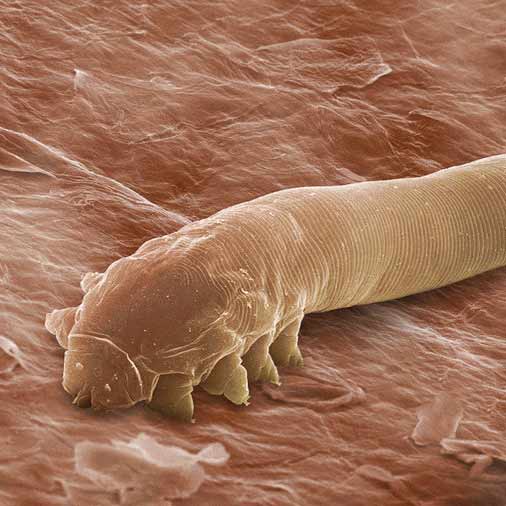
Parasites – Version 1.0
Contains the most common parasites passed around by the flu in recent years plus some parasites commonly seen in Lyme disease.
0 Reviews