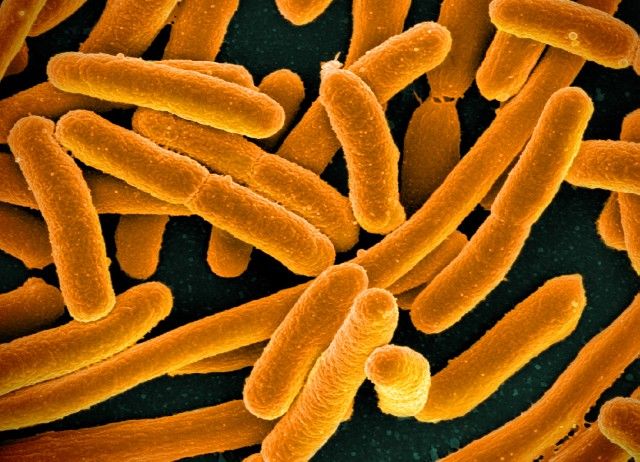
Escherichia coli (/ˌɛʃəˈrɪkiə ˈkoʊlaɪ/), also known as E. coli (/ˌiː ˈkoʊlaɪ/), is a Gram-negative, facultative anaerobic, rod-shaped, coliform bacterium of the genus Escherichia that is commonly found in the lower intestine of warm-blooded organisms (endotherms). Most E. coli strains are harmless, but some serotypes (EPEC, ETEC etc.) can cause serious food poisoning in their hosts, and are occasionally responsible for food contamination incidents that prompt product recalls. The harmless strains are part of the normal microbiota of the gut, and can benefit their hosts by producing vitamin K2, (which helps blood to clot) and preventing colonisation of the intestine with pathogenic bacteria, having a mutualistic relationship. E. coli is expelled into the environment within fecal matter. The bacterium grows massively in fresh fecal matter under aerobic conditions for 3 days, but its numbers decline slowly afterwards. Wikipedia
Related services
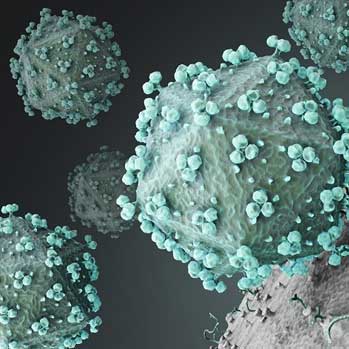
Orion Retrovirus – Version 4.5
These viruses will steal your dreams, particularly when they are combined with flouride in your brain.
0 Reviews
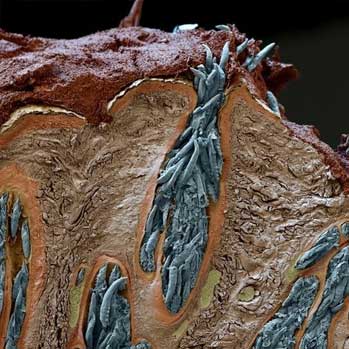
Rosacea Demodex – Version 6.0
Some rosacea is associated with a Demodex infection, a common mite. It affects bodily functions even when there are no observable symptoms.
0 Reviews
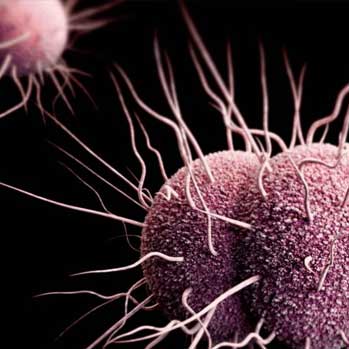
Gonnorhea – Version 2.1
Research on biofilms during the past two years has surfaced multiple strains of gonnorhea. This infection is widespread and may be latent for decades with serious consequences.
0 Reviews

Canola Oil – Version 1.0
Canola oil may be toxic to your system even if organic and non-GMO.
0 Reviews
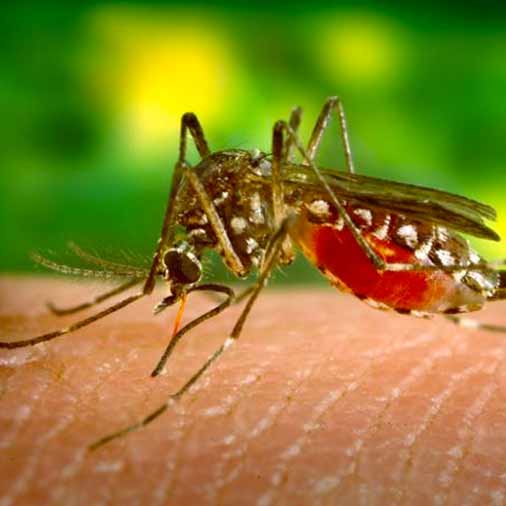
West Nile Virus – Version 3.0
For the past decade fellow researchers have worked with the Frequency Research Foundation to identify frequencies that will make over 150 species of mosquitos go away, including those mosquitos carrying the West Nile Virus.
0 Reviews