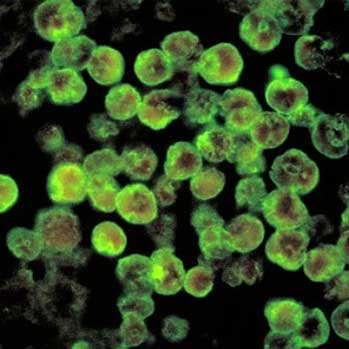
N. fowleri can invade and attack the human nervous system. Although this occurs rarely, such an infection nearly always results in the death of the victim. Naegleria fowleri ( /nəˈɡlɪəriə/; also known as “the brain-eating amoeba”) is a free-living excavate form of protist typically found in warm bodies of fresh water, such as ponds, lakes, rivers, and hot springs. It is also found in soil, near warm water discharges of industrial plants, and minimally chlorinated swimming pools (there is no evidence of this organism living in ocean water) in an amoeboid or temporary flagellate stage. It belongs to a group called the Percolozoa or Heterolobosea. Although not a true amoeba, the organism is often referred to as an amoeba for convenience.
Related services

Annual Frequency Subscription
This subscription was created at the request of experienced researchers who know how to select the right frequencies and run them on their own machines.
0 Reviews

Epstein-Barr Virus – Version 5.0
Epstein-Barr virus (EBV) is a chronic condition in a large segment of the population causing many negative health effects.
0 Reviews

Gonnorhea – Version 2.1
Research on biofilms during the past two years has surfaced multiple strains of gonnorhea. This infection is widespread and may be latent for decades with serious consequences.
0 Reviews
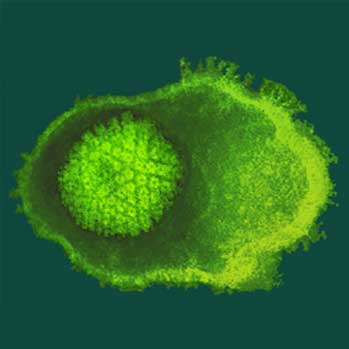
Shingles (Herpes Zoster) – Version 2.1
Version 2.0 of Shingles frequencies contains updates from a recent case of shingles which included a new strain of the herpes zoster virus.
0 Reviews

Canola Oil – Version 1.0
Canola oil may be toxic to your system even if organic and non-GMO.
0 Reviews