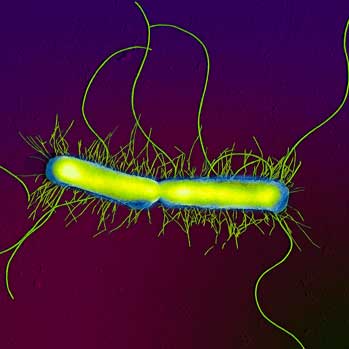
Three species—P. vulgaris, P. mirabilis, and P. penneri—are opportunistic human pathogens. This set includes frequencies for P. vulgaris only. Proteus includes pathogens responsible for many human urinary tract infections. Proteus mirabilis causes wound and urinary tract infections. Most strains of Proteus mirabilis are sensitive to ampicillin and cephalosporins. Proteus vulgaris is not sensitive to these antibiotics. However, this organism is isolated less often in the laboratory and usually only targets immunosuppressed individuals. Proteus vulgaris occurs naturally in the intestines of humans and a wide variety of animals; also manure, soil and polluted waters. Proteus mirabilis, once attached to urinary tract, infects the kidney more commonly than E. coli. Proteus mirabilis are often found as free-living organisms in soil and water.
Related services
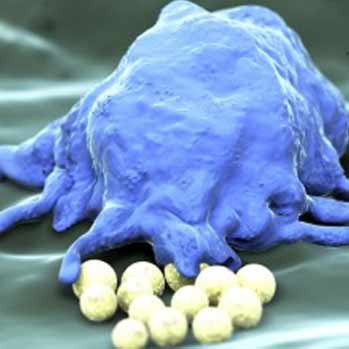
GcMAF/Nagalase – Version 4.1
Always run Naglase for viruses and cancer. Physicians recommend 10,000 units of Vitamin D a day to promote effects of GcMAF.
0 Reviews
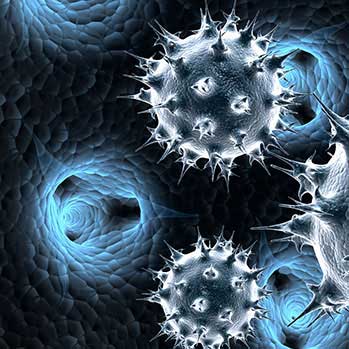
Epstein-Barr Virus – Version 5.0
Epstein-Barr virus (EBV) is a chronic condition in a large segment of the population causing many negative health effects.
0 Reviews
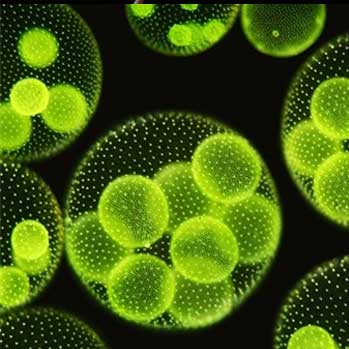
Chlorovirus ATCV-1 – Version 1.0
US researchers have come across a virus that may make us stupider—and it’s turning up in the throats of otherwise-healthy people
0 Reviews
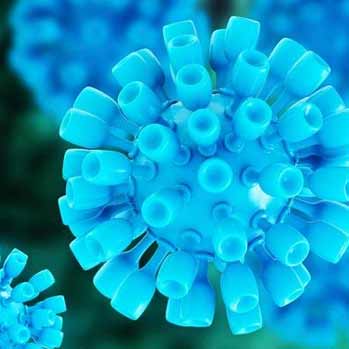
Hepatitis C – Version 2.6
The swine flu virus complex circulated many viruses and bacteria including Hepatitis C.
0 Reviews
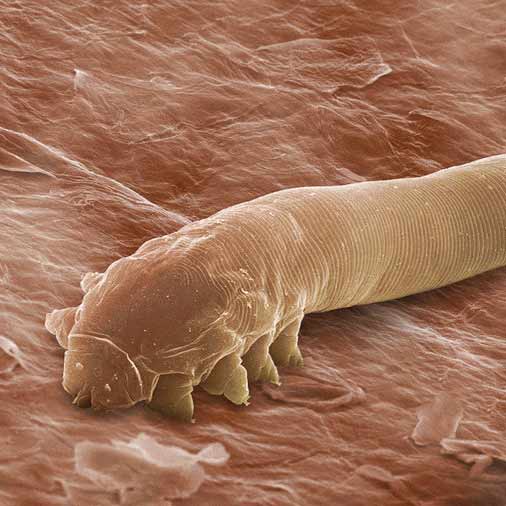
Parasites – Version 1.0
Contains the most common parasites passed around by the flu in recent years plus some parasites commonly seen in Lyme disease.
0 Reviews